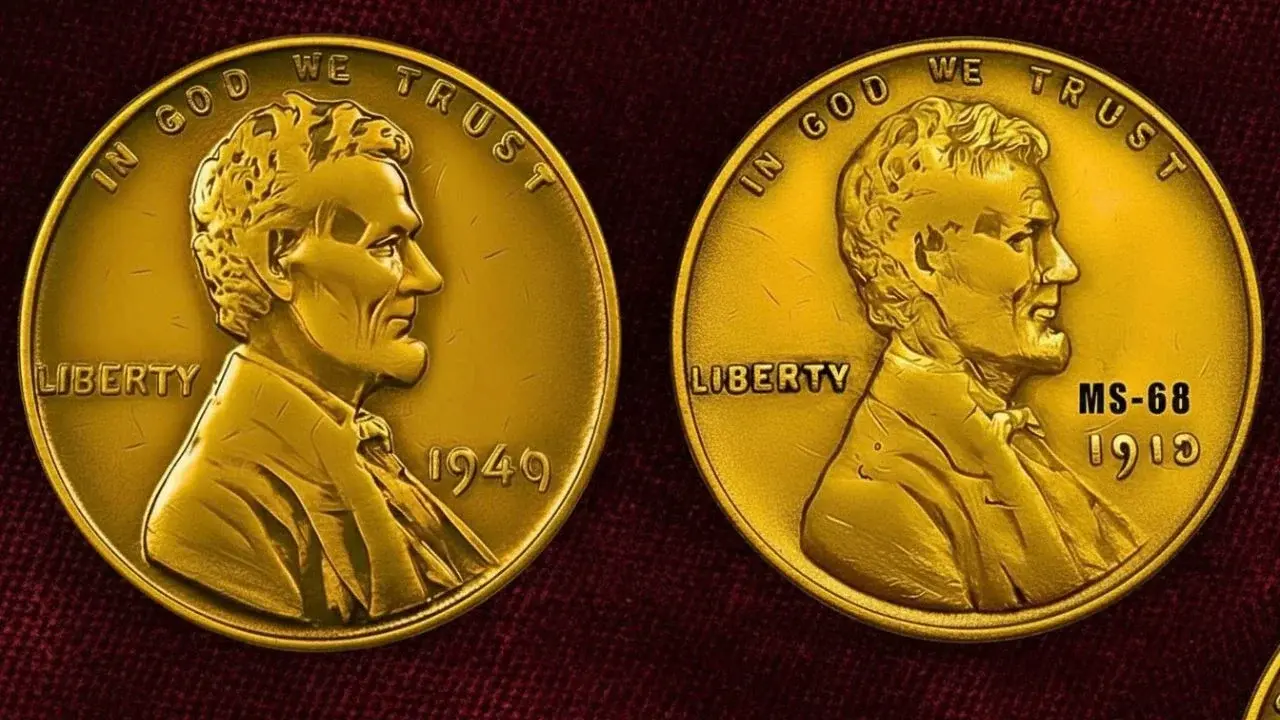
Wheat Penny Price Chart from 1909 to 1958: Wheat pennies are among the most collectible coins in American history. Minted between 1909 and 1958, these one-cent coins feature Abraham Lincoln on the obverse and two stalks of wheat on the reverse. Their age, historical significance, and varying rarity make them highly interesting to both collectors and investors. Understanding their value through price charts helps you understand exactly what you have in hand.
What are wheat pennies?
Wheat pennies were first minted by the U.S. Mint in 1909 to honor the 100th anniversary of Abraham Lincoln’s birth. They continued to be produced for nearly five decades before being replaced by the Lincoln Memorial Cent in 1958. Each coin was made primarily of copper, with one minor exception during World War II. The design was created by sculptor Victor David Brenner, and his initials famously sparked controversy on the initial issues.
Why Dates Matter?
Not all wheat pennies are worth the same, and the year of mintage is the biggest factor in determining price. Some years had very low mintage numbers, making the remaining coins very rare and valuable. Other years saw millions of coins minted, making their value significantly lower. Collectors always look at the date before estimating a coin’s value.

Special Dates and Prices
The 1909-S VDB is generally considered the king of the Wheat Pennies, often selling for $700 to over $1,500 in circulated condition. The 1914-D and 1931-S are also in high demand, typically fetching between $150 and $500, depending on condition. Common dates from the 1940s and 1950s, such as 1944 or 1952, are typically worth only three to ten cents in average condition. The difference between special dates and common dates is significant, which is why finding coins is so exciting.
1943 Steel Penny
During World War II, copper was diverted for military use, so the U.S. Mint minted 1943 pennies from zinc-coated steel. These steel cents are easy to identify because a magnet attracts them. When in circulation, they typically sell for anywhere from twenty-five cents to a few dollars. However, rare 1943 copper error pennies—those struck on old copper blanks by mistake—are worth millions of dollars and are among the most famous coins in American numismatics.
Mint Marks and Price
Wheat pennies were produced at three mints: Philadelphia (no mint mark), Denver (D), and San Francisco (S). San Francisco often produced very few coins, making S-mint pennies more valuable in most years. For example, a 1926-S penny can be worth $100 or more, while a penny from Philadelphia of the same year may be worth only a dollar or two. Always look below the date on the obverse to identify the mint mark before estimating the price.

Grading and Coin Condition
The condition of a coin, also known as a grade, significantly impacts the price of a wheat penny. A coin with a “good” grade has more wear but is recognizable, while a “fine” or “very fine” grade has more detail and commands higher prices. Uncirculated coins, with no wear at all, can be ten to a hundred times more valuable than circulation coins of the same date. Professional grading services like PCGS and NGC can certify a coin’s grade, which increases confidence and often increases resale value.
Common vs. Rare Wheat Pennies
Most wheat pennies found in pocket notes or old jars fall into the “common” category and are worth less than a dollar. Coins from the 1940s and 1950s are the most common because more coins were minted and more survived. Rare coins from the 1910s and 1920s, especially S-mint coins, are very difficult to find in good condition. Compiling a complete set of Wheat Pennies from 1909 to 1958 means finding both common and rare dates, which is part of the fun.
How to Sell Wheat Pennies
If you have wheat pennies to sell, it’s important to know the current market value before contacting a buyer. Online platforms, coin shows, and local dealers are all good selling options, depending on how many coins you have and their condition. For valuable special dates, getting a professional appraisal first is a smart move to avoid selling at a low price. Always compare multiple offers before making a final decision.
Conclusion: Wheat Penny Price Chart from 1909 to 1958
Wheat pennies represent the golden age of American coin design and hold both sentimental and monetary value for collectors everywhere. Whether you find a common 1955 penny worth a few cents or a rare 1909-S VDB worth over a thousand dollars, every coin tells a story. Using price charts as your guide and paying attention to dates, mint marks, and condition will help you navigate the wheat penny market with confidence. Start checking your old coin jars—they might hold more value than you think.