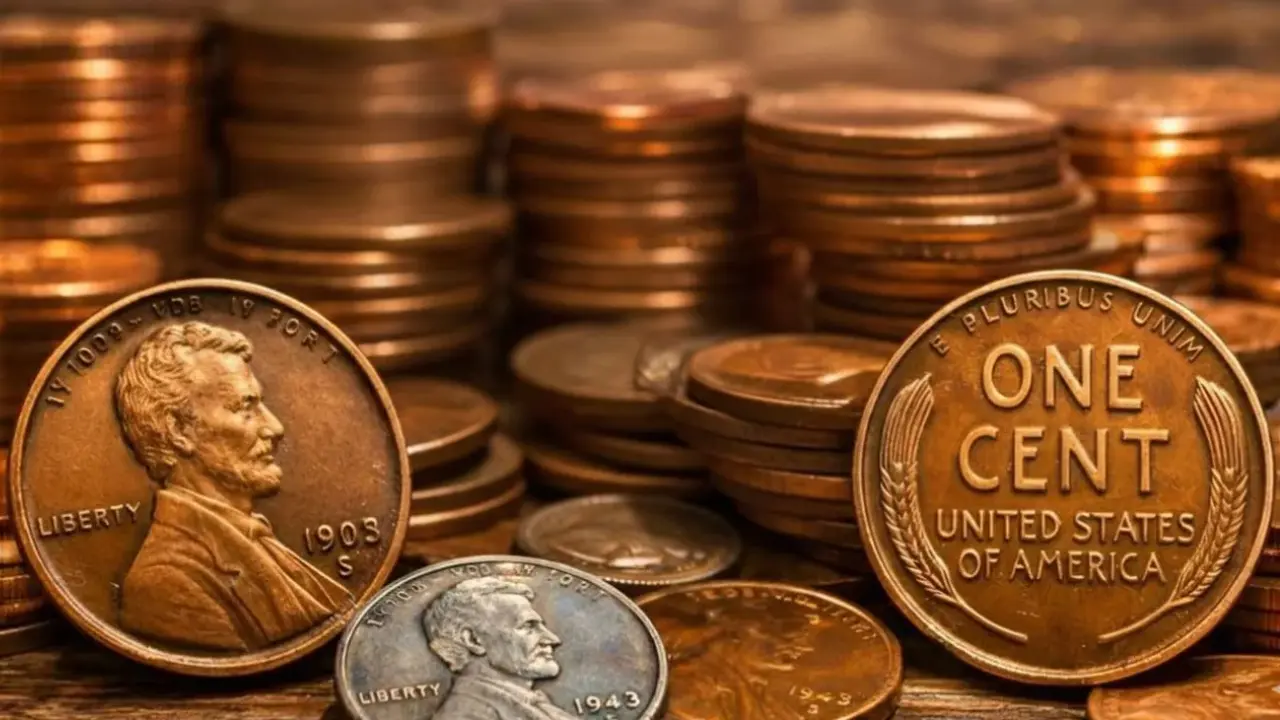
The 22 Rare Wheat Pennies are some of the most sought-after small-denomination coins in today’s numismatic market. These copper one-cent coins belong to the Lincoln Wheat Cent series and are considered collectible circulation issues rather than bullion or commemorative coins. Their limited mintage, rare variety, and high-grade scarcity attract both entry-level collectors and serious investors. Valued at a few dollars to over $100,000 in very good condition, these coins are actively traded in collector markets worldwide.
Coin Specifications
The 22 Rare Wheat Pennies are in the standard Lincoln cent format, with a 19.05 mm diameter and an average weight of 3.11 grams for the initial bronze issue. Most coins feature the classic Lincoln portrait on the obverse and two wheat ears on the reverse. These pennies were produced with plain edges and a smooth field for circulation. Depending on the year and mint mark, total production ranges from less than 1 million to over 300 million pieces, with some rare dates forming a core part of this collectible group.

Metal Composition
The 22 rare wheat pennies were minted primarily in bronze, with the standard issue coin containing approximately 95% copper and 5% tin and zinc. Some wartime variations include steel compositions with zinc plating, weighing approximately 2.7 grams instead of the typical bronze weight. The copper content gives the coins their distinctive red, reddish-brown, or brown surface, which significantly impacts collector grading and value. Metal composition variations within the series create different subtypes, making certain years and mint combinations significantly rarer and more desirable for higher preservation levels.
Rarity and Demand
Collector demand for the 22 Rare Wheat Pennies is high due to their low mintage, striking errors, and the low number of high-grade survivors. Specific dates within the group include coins with mintages of less than 2 million and varieties with doubled die or off-metal strikes. Demand increases sharply when coins are discovered in non-circulation or mint-state condition, especially those with the original red surface. Many examples exist in worn condition, but top-grade coins are rare. This imbalance between supply and collector interest keeps prices high and ensures consistent demand in the auction and private sales markets.

Minting Details
The 22 Rare Wheat Pennies were minted at major U.S. Mint facilities, including Philadelphia, Denver, and San Francisco, each identified by a distinct mint mark or the absence of one. Production methods involved high-speed mechanical presses capable of producing thousands of coins per hour. Some rare pieces arise due to die errors, planchet variations, or limited production runs at specific mints. Strike quality varies from year to year, with some coins displaying sharper details due to lower production runs. These minting differences directly impact rarity, attractive appearance, and long-term collector appeal.
Condition and Grading
Much of the value of the 22 Rare Wheat Pennies depends on their condition, with the grading scale ranging from heavily worn Good-4 examples to pristine Mint State-70 coins. Color classification also plays a significant role, with red coins commanding the highest prices. Even a single grade increase can significantly increase the price, especially for specific dates. Coins that are free of scratches, blemishes, or cleaning marks attract greater collector interest. Professional grading standards focus on luster, strike sharpness, and surface protection, all of which determine the final market price.

Market Value
22 Rare Wheat Pennies command significant prices, with circulated examples typically starting around $10 to $20, while less rare dates in uncirculated grades often command over $1,000. Mid-tier rare coins often trade in the $2,000 to $10,000 range, depending on grade and color. The most exclusive coins, especially rare varieties in top mint-state grades, can command over $100,000. Price differences depend largely on surface quality, strike clarity, and collector competition. Market activity remains stable due to strong demand for both inexpensive and high-end examples.
Investment Potential
22 Rare Wheat Pennies offer good investment appeal due to their low face value, high collector demand, and limited number of surviving coins. Entry-level investors can purchase lower-grade coins at lower prices, while advanced collectors seek mint-state coins with long-lasting value. The value of specific dates and varieties steadily increases over time, especially in top grades. Their small size and widespread recognition make them easy to store, trade, and authenticate. These factors contribute to consistent liquidity and stable demand in the collectible coin market.

Conclusion: 22 Rare Wheat Pennies
The 22 Rare Wheat Pennies stand out as highly collectible bronze cents with standard specifications, a copper-rich composition, and strong market demand at various price levels. Their rarity is due to their limited mintage, low number of high-grade survivors, and unique minting varieties. With values ranging from less than $20 to over $100,000, they appeal to both novice and advanced investors. Consistent grading standards and continued collector interest make these coins reliable long-term collectors, offering a balanced combination of historical significance, tangible metal content, and investment potential.
