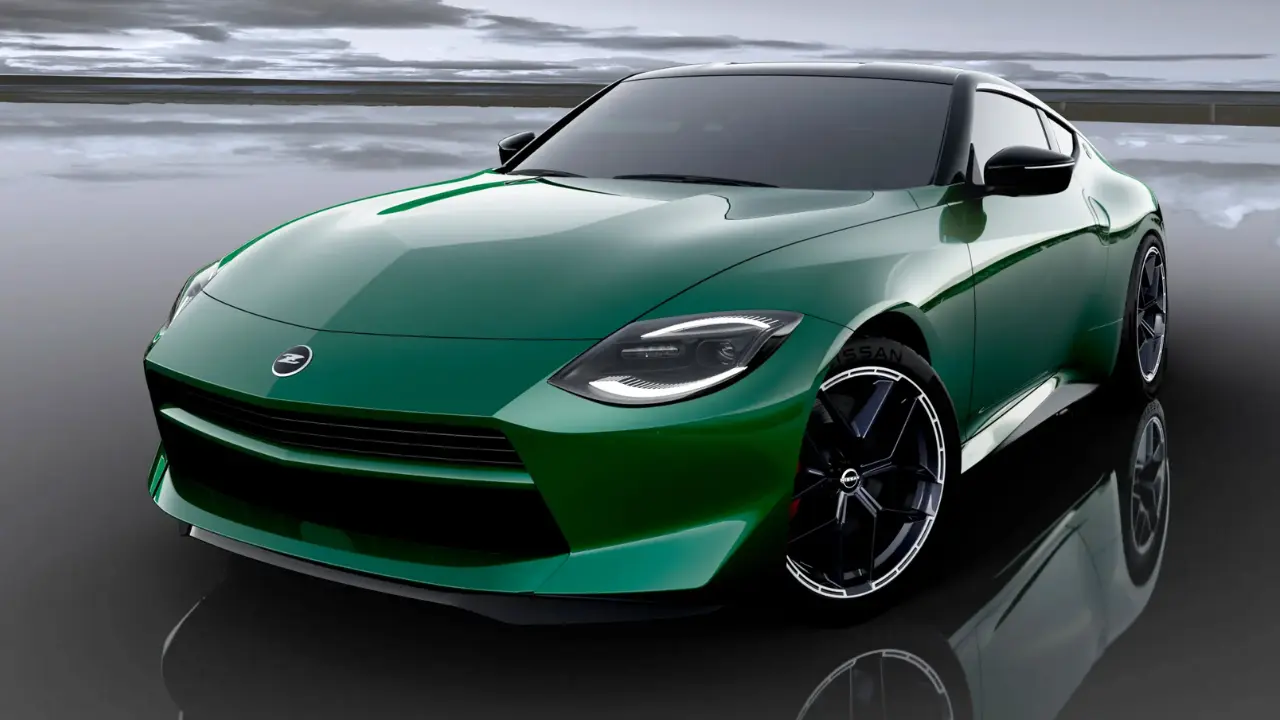
The 2026 Nissan Z is a bold statement in the modern sports car segment, blending heritage-inspired design with contemporary performance technology. This two-door coupe targets driving enthusiasts who want an engaging rear-wheel-drive experience without venturing into supercar territory. Offering a compelling mix of turbocharged power, manual transmission availability, and an affordable price, it competes directly with renowned sports cars. Its arrival has rekindled interest in affordable performance vehicles, making it a viable choice for both weekend track enthusiasts and thrill-seeking daily drivers.
Engine and Performance
The Nissan Z is powered by a twin-turbocharged 3.0-liter V6 engine that produces 400 horsepower and 350 lb-ft of torque, delivering robust acceleration across the rev range. The powertrain is mated to either a six-speed manual transmission or a nine-speed automatic, both of which send power exclusively to the rear wheels. This configuration allows the sports car to reach 60 mph in approximately 4.3 seconds with the automatic gearbox. The engine’s forced induction setup ensures instant throttle response while maintaining linear power delivery across all gears, making it ideal for both spirited driving and comfortable cruising.

Mileage and Efficiency
The twin-turbo V6 configuration delivers fuel economy ratings of 17 mpg in city driving and 24 mpg on the highway, for a combined rating of 19 mpg. These figures apply to both transmission options, although actual consumption varies depending on driving style and conditions. The sports car requires premium unleaded fuel to optimize performance and prevent engine knock under boost pressure. With a fuel tank capacity of 13.2 gallons, drivers can expect a highway cruising range of approximately 315 miles between refueling, making it easy to take long weekend drives without frequent fuel stops.
Dimensions and Usability
The Nissan Z measures 172.5 inches in length, 72.6 inches in width, and 51.6 inches in height, maintaining classic sports car proportions with a long hood and compact cabin. Its wheelbase is 100.4 inches, providing sharp handling while maintaining stability at highway speeds. Ground clearance is 4.9 inches, which reduces its suitability for rough roads but lowers the center of gravity for improved cornering performance. In a two-seater configuration, rear passenger space is completely eliminated, and interior volume is dedicated to driver and passenger comfort with supportive bucket seats and a driver-focused cockpit layout.

Variants and Trims
The sports car comes in three main configurations: Sport, Performance, and Proto Spec. The Sport trim offers the base trim with essential performance features and a choice between manual and automatic transmissions. The Performance grade includes improved braking components, a limited-slip differential, and larger 19-inch wheel options. The Proto Spec is the range-topping variant, featuring exclusive exterior graphics, bronze-finished wheels, upgraded Recaro seats, and additional performance-oriented equipment. Each trim retains the same powertrain, ensuring consistent acceleration and driving dynamics across the lineup, while differentiation is achieved through feature content and visual elements.
Safety and Technology
Standard safety equipment includes automatic emergency braking, blind-spot monitoring, rear cross-traffic alert, and lane departure warning systems, which operate flawlessly during fast driving. The sports car features an 8-inch touchscreen infotainment system with wireless Apple CarPlay and Android Auto integration, eliminating the need for cable connections for smartphone functionality. A 12.3-inch digital instrument cluster displays performance metrics, including turbo boost pressure, g-force readings, and a lap timer for track use. Six-speaker audio comes standard, while higher trims get a nine-speaker Bose premium sound system with acoustics optimized for a compact cabin environment.

Features and Comfort
Climate control operates through an automatic dual-zone system that maintains separate temperature preferences for the driver and passenger. The cabin features leather-appointed seating surfaces with power adjustment for the best driving position, while heated seats provide comfort during colder months. Storage space is limited due to the sports car architecture, with a trunk capacity of 6.9 cubic feet, which can accommodate weekend luggage or track day equipment. Interior materials feature metallic accents with soft-touch surfaces, creating an upscale ambiance despite the performance focus. Keyless entry and push-button start come standard on all configurations.
Pricing and Ownership
The Nissan Z starts at approximately $41,000 for the Sport manual transmission variant, with an automatic transmission adding approximately $1,500 to the base price. Performance trims increase the price to approximately $51,000, while the Proto variant costs approximately $54,000. The manufacturer offers a three-year or 36,000-mile basic warranty, along with five-year or 60,000-mile powertrain coverage. Maintenance intervals are in line with typical turbocharged engine requirements, with oil changes recommended every 5,000 miles under normal conditions. Insurance costs are higher than for standard vehicles due to its performance classification and two-door configuration.

Conclusion
The 2026 Nissan Z offers a true sports car feel with its turbocharged V6 powertrain, rear-wheel-drive layout, and manual transmission, available at a lower price than many competitors. The combination of 400 horsepower, sub-4.5-second acceleration, and driver-focused features makes it a great choice for enthusiasts who want performance without overdoing it. While fuel economy and storage capacity reflect its sporting priorities, the overall package balances daily usability with weekend excitement. For drivers who value driving dynamics over practicality, this sports car offers considerable performance value in the modern automotive landscape.