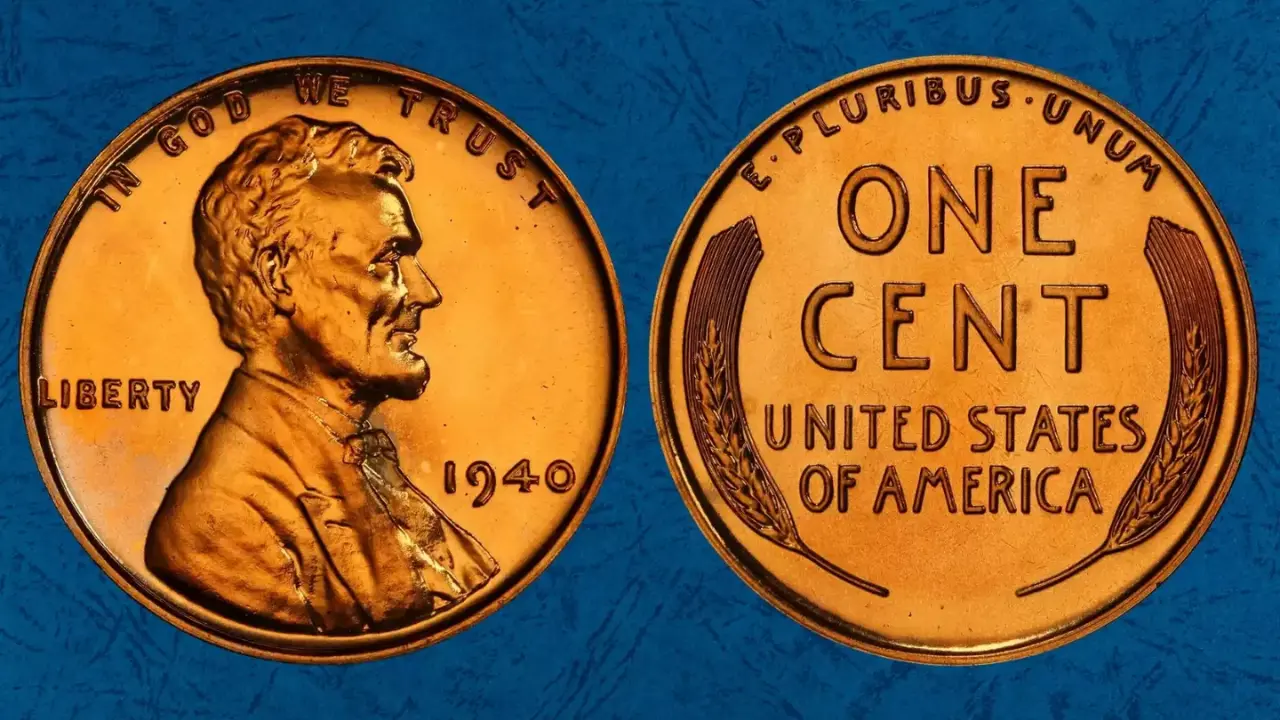
The 1940 Lincoln penny value is attracting the attention of both collectors and new investors. This classic copper coin belongs to the Lincoln Wheat Penny series, a category of American coins that is highly sought after in the numismatic market. Designed for collectors focused on early 20th-century U.S. coins, it remains valuable today due to its age, copper texture, and mint variety options. Circulated examples are an affordable entry point, while high-grade specimens command substantial premiums in today’s active coin market.
Coin Specifications
The 1940 Lincoln Penny’s value is largely tied to its precise specifications, which determine its authenticity and collectability. The coin measures 19.05 mm in diameter and weighs exactly 3.11 grams. Its edges are plain and have no reeding. The obverse features Victor David Brenner’s famous portrait of Abraham Lincoln, while the reverse features two stalks of wheat inscribed with “ONE CENT” and “UNITED STATES OF AMERICA.” These similar physical characteristics make authentication easy for experienced numismatists and new collectors alike.

Metal Composition
The 1940 Lincoln penny is composed of 95% copper and 5% tin and zinc, giving it the warm reddish-brown appearance that is characteristic of early wheat pennies. This composition makes the coin sensitive to environmental exposure, which directly affects its surface color and grade. Coins that retain their original reddish luster are highly prized over coins that have darkened over the decades. The high copper content gives the coin a small amount of intrinsic metal value in addition to its numismatic value, adding another layer of appeal to buyers.
Rarity and Demand
The value of the 1940 Lincoln penny varies depending on the mint mark, with three different varieties available. The Philadelphia Mint produced approximately 586.8 million coins, the Denver Mint produced approximately 81.4 million coins, and the San Francisco Mint produced approximately 112.9 million coins. Despite the high mintage, uncirculated full-red coins from any mint are truly rare. Collector demand remains consistent throughout the year, fueled by type collectors, those creating Wheat Penny sets, and budget-conscious numismatists entering the hobby. The 1940-D and 1940-S varieties command a higher premium than the Philadelphia issue.
Minting Details
Three active U.S. Mint facilities produced 1940 Lincoln pennies, each with a different mint mark on the reverse. Denver coins have a small “D” mark, while San Francisco coins have an “S” mark, both below the date on the obverse. Coins struck in Philadelphia have no mint mark, as was common at the time. Strike quality at all three facilities was generally similar. Coins with sharp marks, clearly visible wheat stalks, and clear portrait details are more desirable and receive higher grades during professional inspection.
Condition and Grading
The value of the 1940 Lincoln penny varies greatly depending on professional grading. Circulated coins graded Good-4 typically have very little surface detail and sell for a lower price. Fine to Extremely Fine examples have fair to light wear and are reasonably priced. Non-circulation coins graded MS-63 or higher are the most sought-after coins in this series. A coin graded MS-65 Red, with no significant marks and full original copper luster, is considered a premium collectible. Professional grading by NGC or PCGS significantly increases buyer confidence and resale potential.
Market Value
The current market value of the 1940 Lincoln penny varies significantly depending on the grade and mint mark. Circulated specimens in good to fine condition typically trade between $0.10 and $0.50. Extremely fine specimens can reach $1 to $3. Uncirculated coins graded MS-63 Red-Brown sell for approximately $8 to $15, while MS-65 Red coins from Philadelphia regularly trade in the $20 to $40 range. The 1940-S in MS-65 Red is valued between $40 and $75, and excellent MS-67 Red specimens have sold for over $200 in the competitive collector market.
Investment Potential
The 1940 Lincoln penny is truly a good investment, especially in top-tier grades. High-grade red coins with MS-66 or MS-67 grades are truly difficult to find and continue to rise in value as wheat penny collecting becomes more competitive. The low acquisition cost of mid-grade coins makes this coin an easy starting point for portfolio diversification. Collectors assembling complete wheat penny sets consistently create baseline demand, ensuring liquidity. Coins in slabs certified by a major grading service have a strong resale value and attract greater interest from both domestic and international buyers.

Conclusion
The 1940 Lincoln Penny offers a powerful combination of affordability, vintage coin appeal, and authenticity. Made from 95% copper in three mints, with a total mintage of over 780 million, high-grade red coins are still rare and highly traded. Market values range from less than $1 for circulated coins to over $200 for elite specimens. Whether you’re building a Wheat Penny set, pursuing a hobby of coin collecting, or looking for low-priced certified coins with the potential to continue to appreciate, this penny offers good value at nearly every collector and investor level.